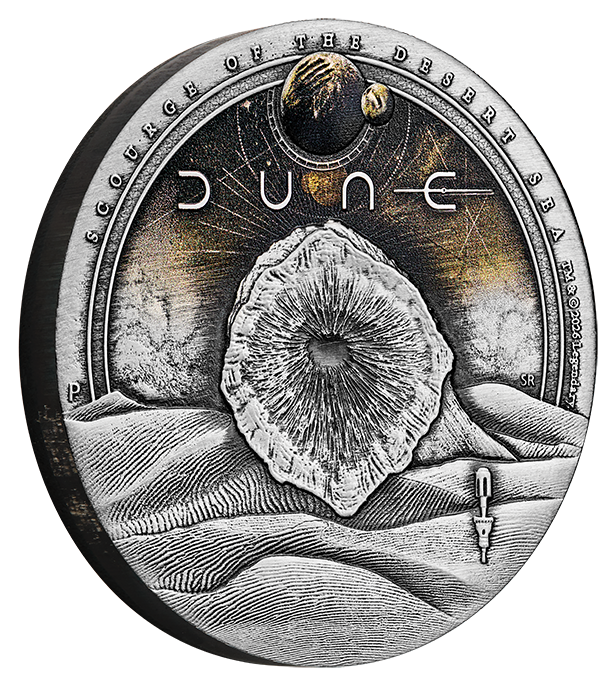
How to Properly Care for Your Coin Collection in the Australian Climate
This is our May 2026 updated advice on mint con care.
Australia is not a gentle environment for coins. Coastal humidity, inland heat, tropical wet seasons, and UV exposure all do damage over time — often slowly enough that collectors don't notice until it's too late.
The risks differ depending on where you live. In Queensland and the Northern Territory, moisture is the main problem. In inland areas, it's temperature fluctuation. Most of the southern states get a bit of both across the year. What works in Hobart in winter is different from what you need in Darwin year-round.
Leave original packaging alone.
Mint packaging — capsules, sealed presentation cases, display folders — is designed to protect coins from air and contact. The less a coin is handled and exposed, the better it stays. Removing a coin from its capsule to display it loose might look good on a shelf. It's not good for the coin.
If it came in a capsule, leave it in the capsule.
Control where you store coins.
Garages and garden sheds are the worst options. The daily heating and cooling cycle causes condensation, and condensation causes moisture damage. A spare room or wardrobe with reasonably stable temperature is fine for most collectors.
If you're in a coastal or tropical area, you'll need to manage humidity actively. A small dehumidifier in the storage area, or silica gel packets inside airtight containers, works well. The target range is roughly 35–55% relative humidity. A cheap hygrometer will tell you where you're at.
Don't clean coins. Ever.
This is the mistake that costs collectors the most. Cleaning a coin — even with a soft cloth, even gently — leaves micro-abrasions that permanently affect the surface. A lightly tarnished coin in original condition is worth more than a polished one to any serious buyer.
If a coin looks tarnished and it bothers you, leave it alone. If you're genuinely concerned about what you're seeing, ask a numismatist before touching it.
Handle them properly.
Hold coins by the edge. Skin oils transfer easily and etch into surfaces over time. If you're examining a coin closely, cotton gloves take about ten seconds to put on and prevent a problem that can't be undone.
Try not to breathe directly over coins you're inspecting. Moisture from breath causes spotting on silver — it's more common than people expect.
Check your storage materials.
Not everything sold as coin storage is actually safe for coins. Some PVC sleeves and foam inserts off-gas chemicals that accelerate tarnish. Stick to archival-quality or PVC-free products — Mylar sleeves, inert hard capsules, acid-free boxes. If you're not sure, ask the retailer you buy from.
Check silica gel packets at least twice a year and replace them when they're saturated. Look over your coins at the same time. Early tarnish caught early is manageable. Tarnish that's been sitting for two years is harder to deal with.
The Australian climate asks a bit more of collectors than cooler, drier places do. The answer isn't complicated — stable storage, original packaging, no cleaning, occasional checks. Most collections that get into trouble do so because they were stored somewhere convenient rather than somewhere sensible.